.webp)
.webp)
What Endometriosis Actually Is
Endometriosis is a chronic inflammatory disease where uterine-like tissue grows outside the uterus. It can affect the pelvis and organs, causing inflammation and scarring. It is hormonally responsive, not a hormone imbalance; therapy may suppress, not cure it.
1 in 10 people with a uterus are affected globally. Roughly 190 million people worldwide.
The Three Subtypes of Endometriosis
Superficial Endometriosis
Superficial endometriosis is the most common subtype of endometriosis. It occurs when endometriosis lesions are found on the surface of the pelvic organs or the lining of the pelvic cavity (peritoneum). Although these lesions are typically shallow, they can still cause significant pain, inflammation, and scarring.
Endometrioma
Endometrioma is a cyst that forms when endometriosis develops within the ovary. Often called an “endometrioma” or “ovarian endometriosis cyst,” it contains old blood and inflammatory tissue. Endometriomas can damage healthy ovarian tissue, affect fertility, and are commonly associated with more advanced endometriosis.
Deep Infiltrating Endometriosis (DIE)
Deep infiltrating endometriosis (DIE), represents the most aggressive form of the disease because it penetrates more than 5mm into surrounding tissue. It often involves the bowel but can be found on the bladder, ureter, nerves and blood vessels. It takes years of training and extensive experience to be able to perform surgery to fully excise DIE.
Symptoms: The Full Clinical Picture
Endometriosis symptoms do not map to disease stage. Stage I can be incapacitating. Stage IV can produce moderate pain. This mismatch is one reason diagnosis is delayed for years.
Beyond pain, the inflammation related to endometriosis can lead to systemic symptoms such as bloating, sometimes called "endo belly”, fatigue, non-restorative sleep, bladder and bowel symptoms.
Often, these symptoms overlap with IBS, interstitial cystitis, and pelvic floor dysfunction, driving years of misdiagnosis. The pain that endometriosis causes, visceral pain, along with inflammation, disrupts the central nervous system, leading to sympathetic overactivation which has a major implication on overall health.
Endometriosis is also implicated in 30 to 50 percent of female infertility cases.
Common symptoms include:
Painful periods (dysmenorrhea), often severe enough to miss work or school
Chronic pelvic pain outside of menstruation
Pain during or after intercourse (dyspareunia)
Painful bowel movements (dyschezia) or urination (dysuria)
Bowel Endometriosis: The Form Most Missed
Bowel endometriosis implants on the rectum, sigmoid colon, appendix, or small bowel. It affects between 3 and 37 percent of people with endometriosis⁴ and is often misidentified as other gastrointestinal disease, such as IBS.
Common bowel endometriosis symptoms include painful or irregular bowel movements, bloating, cramping, and rectal bleeding timed to the menstrual cycle.
With appropriate pre-operative planning, bowel endometriosis can be identified prior to surgery in the vast majority of cases.
Why Diagnosis Takes So Long
The average time from first symptom to endometriosis diagnosis is 7 to 10 years in the United States. Documented delays of up to 24 years exist in our own clinical experience.
There is still no FDA-approved available non-invasive diagnostic test. However, high-quality pre-operative ultrasound and MRI, in specialist hands, can map disease before surgery. That level of expertise is not yet standard.
Why diagnosis is routinely delayed:
Menstrual and "women's" pain symptoms have been clinically dismissed for generations
Symptoms overlap with irritable bowel syndrome (IBS), bladder disorders, and pelvic floor conditions
Most general physicians, including OBGYNs, receive zero or minimal endometriosis training
Definitive diagnosis historically required surgical confirmation
The Cost of Delayed
Diagnosis
You know what this disease costs. A system that dismisses it is not only wrong about the diagnosis. It is wrong about the stakes.
$78B
Endometriosis costs the US an estimated $78 billion annually in lost productivity and healthcare expenses.
The impact runs further:
Endometriosis is implicated in 30 to 50 percent of female infertility cases
Anxiety and depression occur at significantly elevated rates in patients
Dyspareunia affects intimacy in ways most providers never ask about
Earlier surgical evaluation preserves more fertility options
10.8 hour
Patients lose an average of 10.8 work hours per week during symptomatic periods due to pain.
Suspected or confirmed endometriosis?
A specialist case review is the right first step.
Why treatment has fallen short
Hormonal treatments suppress symptoms. They do not remove endometriosis. When treatment stops, disease returns. For surgical candidates, hormones are a bridge, not a treatment plan.
Ablation burns lesions at the surface. It does not excise the root, remove infiltrated tissue, or confirm disease through pathology. It carries higher recurrence rates than excision surgery and remains in wide use because it takes less time and demands less surgical skill.
The skill gap is significant
You are entitled to ask questions before choosing a surgical team. A confident team will welcome them.
Excision surgery for deep infiltrating endometriosis requires:
A specialist surgeon performing it multiple times per week
Fellowship training in minimally invasive gynecologic surgery (MIGS) or gynecologic oncology surgery
A colorectal specialist in the OR when bowel disease is found
Other surgical specialists in the OR when needed, including urology or thoracic.
Excision Surgery: Why the surgeon matters
Excision surgery is the gold standard for most endometriosis requiring surgical treatment. It removes lesions at the root with tissue margins, sends specimens to pathology, and produces better long-term outcomes than ablation.
One honest point: excision is not a cure. Endometriosis can recur. Complete excision by a skilled team gives you the best available chance at lasting relief, preserved fertility, and protected organ function.
What to look for in an endometriosis specialist:
MIGS fellowship training or equivalent subspecialty
High excision volume, meaning multiple cases per week
Pre-operative surgical mapping with dynamic ultrasound before any incision
A colorectal surgeon available in the OR when bowel involvement is suspected
The WECS Approach: Multispecialty From The Start
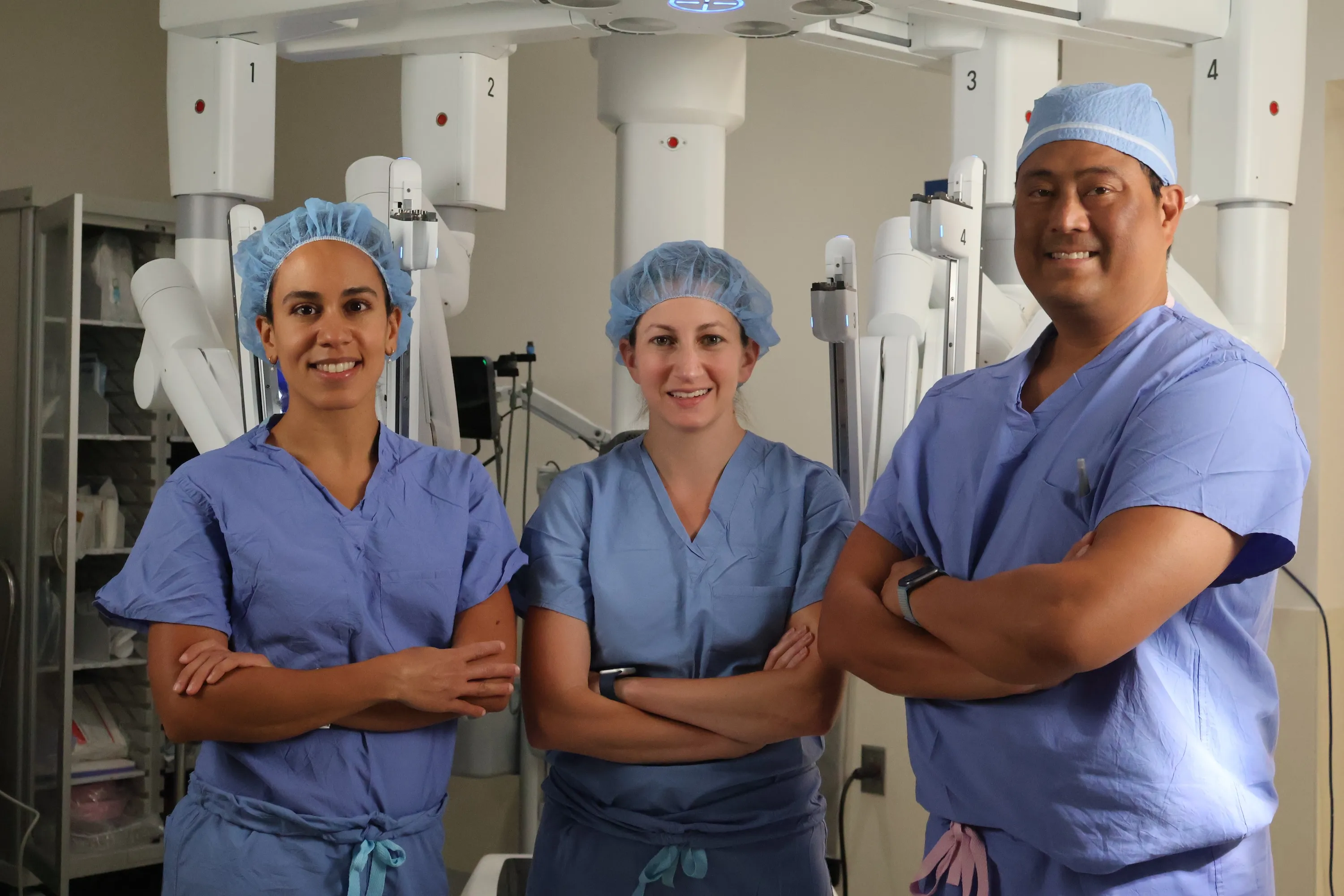
Dr. Victoria Vargas and Dr. Melissa McHale are fellowship-trained minimally invasive gynecologic surgeons. Dr. Vincent Obias is a fellowship-trained colorectal surgeon. All three trained at programs including Harvard and Johns Hopkins. WECS is a multi-specialty surgical team, not a solo practice.
Before surgery, every candidate undergoes pre-operative surgical mapping with dynamic ultrasound. Both surgeons review your imaging together. You are fully consented for what they expect to find before any incision. No surprises when you wake up.
Vincent Obias is in the OR for approximately 90 percent of cases where bowel endometriosis is present. Bowel disease is treated the same day. Not deferred.
Organ preservation guides every case. The rectum, uterus, and ovaries are protected wherever the disease allows. Radical surgery is a last resort.
.jpg)
.jpg)
.jpg)
Is this the right next step ?
WECS evaluates patients with suspected or confirmed endometriosis. A formal diagnosis or referral is not required. Symptoms and clinical history are enough to begin a case review.
The intake is a case review, not a sales call. The team reads what you submit before any conversation begins. Not every patient will be a surgical candidate at first contact. The intake exists to find out together, honestly.
Earlier endometriosis surgery evaluation is generally better for fertility preservation. Waiting has a documented cost.
Tell us about your case
You have done the research. You know what you have been through. The next step is letting a specialist surgical team read your case and tell you what comes next.
.webp)