Bowel Endometriosis
Your bowel symptoms have probably been explained away before. Told it was IBS. Told the colonoscopy was normal. Told to try a low-FODMAP diet. Meanwhile, the pain comes back every month, right on schedule.
That pattern is not always IBS. It is worth taking seriously.

What Bowel Endometriosis Is
Bowel endometriosis is endometriosis that has grown on or into the wall of the bowel. The rectum and sigmoid colon are the most commonly involved sites, though disease can also affect the small intestine and appendix.
In its deeper forms, endometriosis does not sit on the surface of the bowel. It infiltrates the muscular wall. This is what causes the symptoms that feel nothing like a typical gynecologic problem and everything like a GI condition.

Common symptoms include:
Painful bowel movements, particularly during menstruation
Bloating that worsens in the days before your period
Rectal bleeding with your period
Rectal pain or pressure
Cyclical constipation or diarrhea
A feeling of incomplete evacuation
Symptoms
The distinguishing feature of bowel endometriosis is the cyclical pattern. Symptoms worsen with menstruation and improve between cycles, though in severe cases the relief between periods becomes harder to find.
These symptoms overlap significantly with IBS and IBD. That overlap is the reason bowel endometriosis is so frequently missed.

Why It Gets Missed
A colonoscopy will not show endometriosis. The disease grows on and into the outer wall of the bowel, not on the inner surface that a colonoscopy visualizes. A normal colonoscopy result does not rule out bowel endometriosis.
GI workups for these symptoms frequently come back unremarkable. Patients are diagnosed with IBS, given dietary guidance, and sent home. The cyclical pattern is noted and then not acted on. Years pass before someone connects the bowel symptoms to endometriosis.
If your symptoms follow your cycle, that is the signal. It should not be ignored.
Why Bowel Endometriosis Requires a Colorectal Surgeon
Treating disease on the bowel wall is not within the scope of gynecologic surgery training. A gynecologic surgeon operating alone can identify bowel involvement. What they cannot do is treat it safely and completely.
When bowel endometriosis is left behind, symptoms persist. The surgery is recorded as complete when it was not. Patients return for repeat procedures, each one more difficult because of scarring from prior surgery.

Co-Founder, WECS
Dr. Obias has performed colorectal surgery in the Washington DC area since 2009 and was the first surgeon in the region to perform robotic colorectal procedures. He is present in the operating room for the majority of WECS cases, not called in after something unexpected is found.

How WECS Treats Bowel Endometriosis
Before your surgery, your gynecologic surgeon performs a dynamic transvaginal ultrasound using the IDEA protocol and MUSA criteria. This imaging maps the location and depth of disease on the bowel wall and determines what surgical approach the case requires.
That mapping determines whether Dr. Obias needs to be present, and in what capacity. In the majority of WECS cases, he is.
The team operates using a robotic platform, which provides three-dimensional visualization and precision instrument control in a confined operative field. For dissection near the rectum and critical pelvic structures, this matters.
What Surgery Involves
The surgical approach to bowel endometriosis depends on the depth and extent of disease. There are three options.
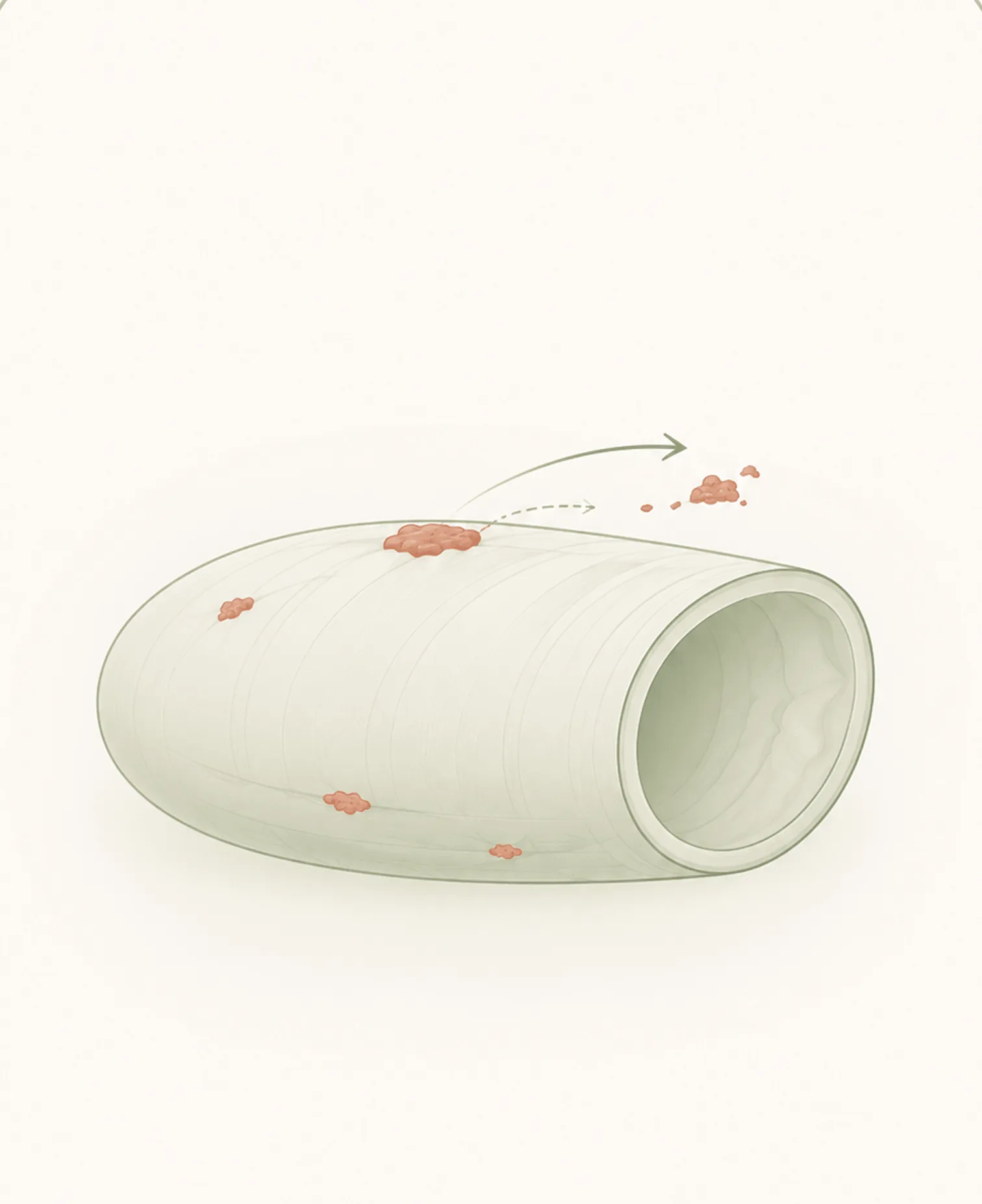
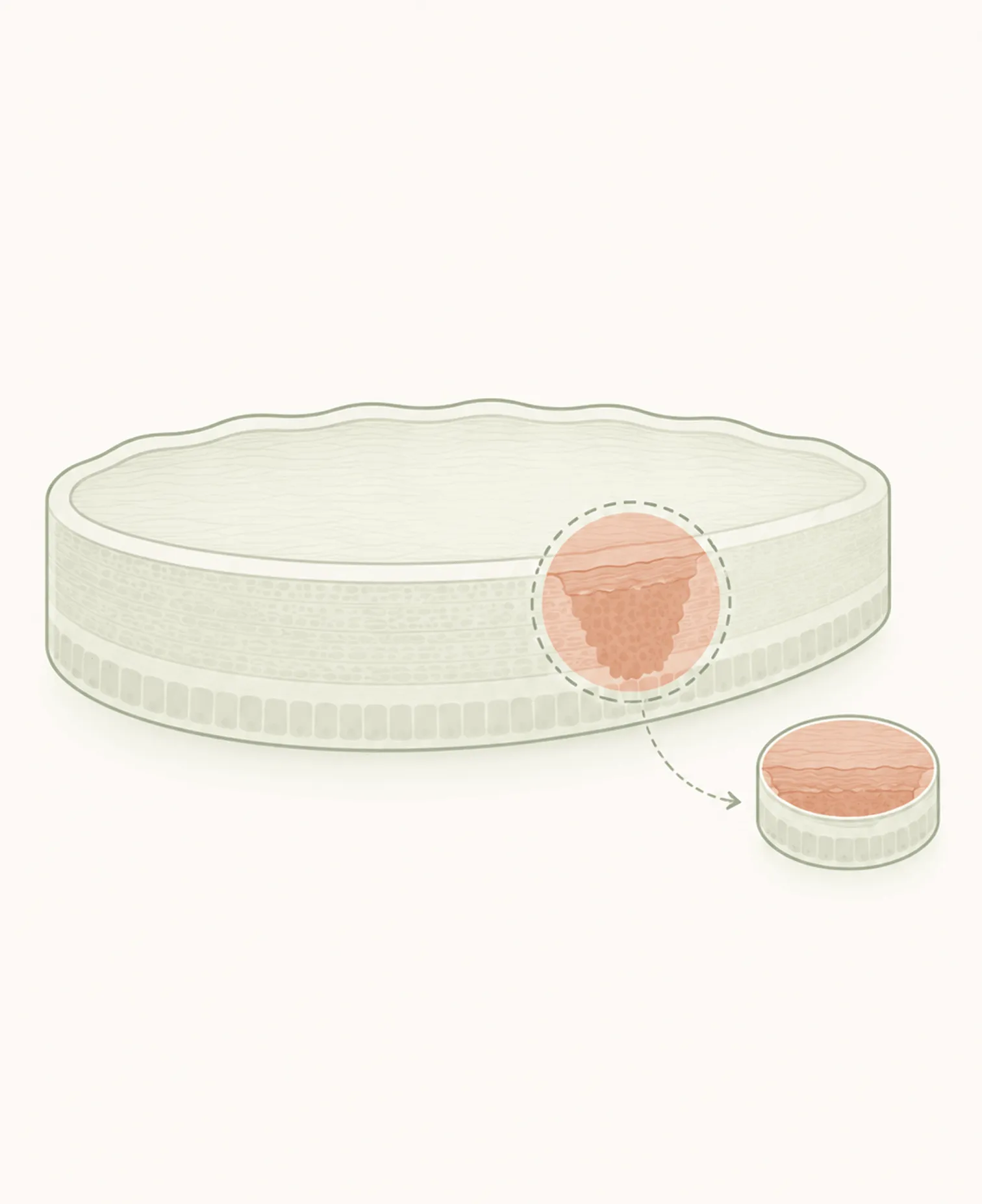
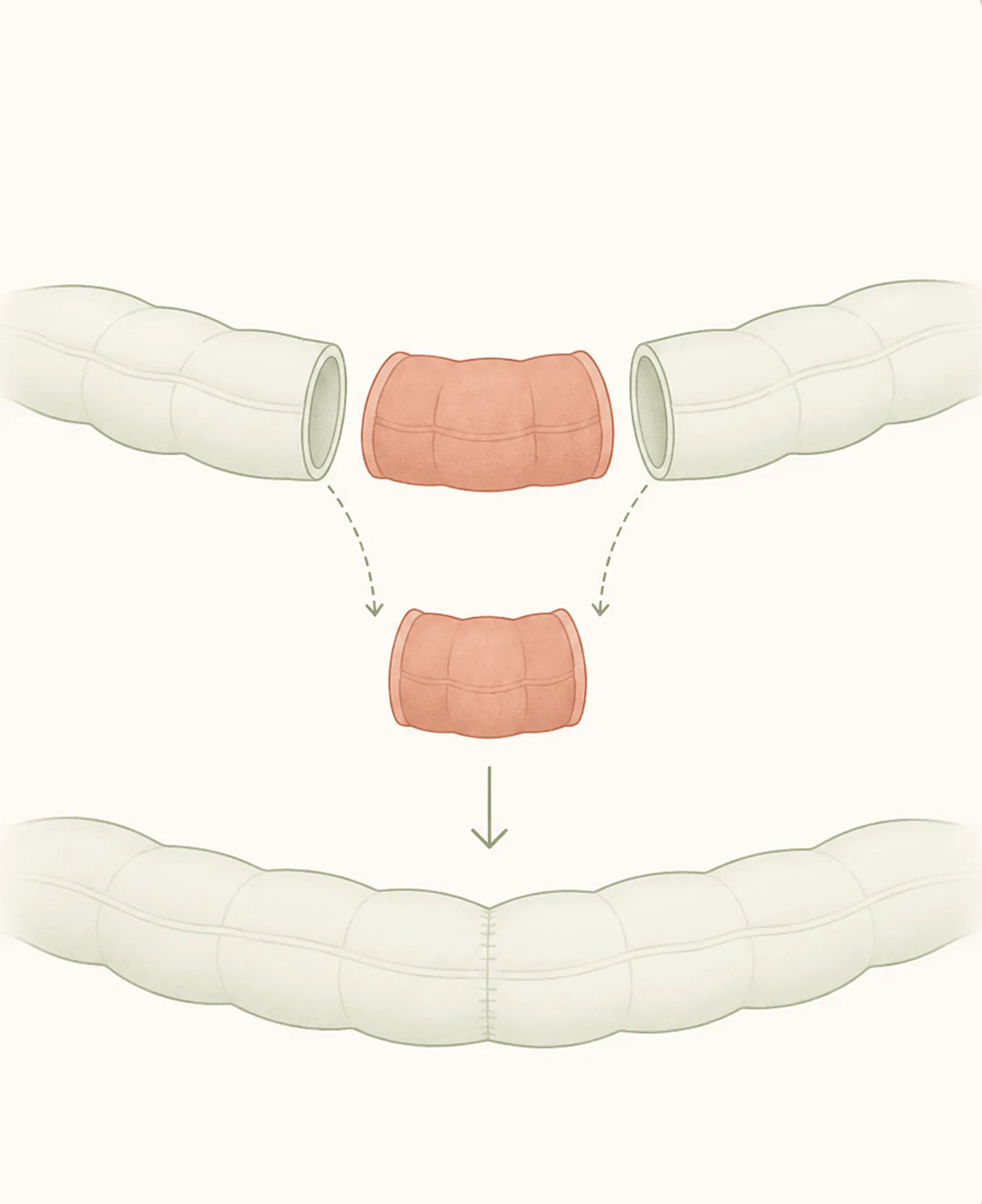
The appropriate approach is determined before your surgery date, not in the operating room. You will know what to expect before you consent to the procedure.
Recovery after bowel resection is longer than recovery from excision alone. Your surgeon will give you an accurate picture of what that looks like for your specific case.
What This Means for You
If you've been told your imaging was normal, that doesn't rule out endometriosis. It may mean the imaging wasn't performed with the right technique, by the right provider, looking for the right things.
.webp)