What Is Endometriosis Excision?
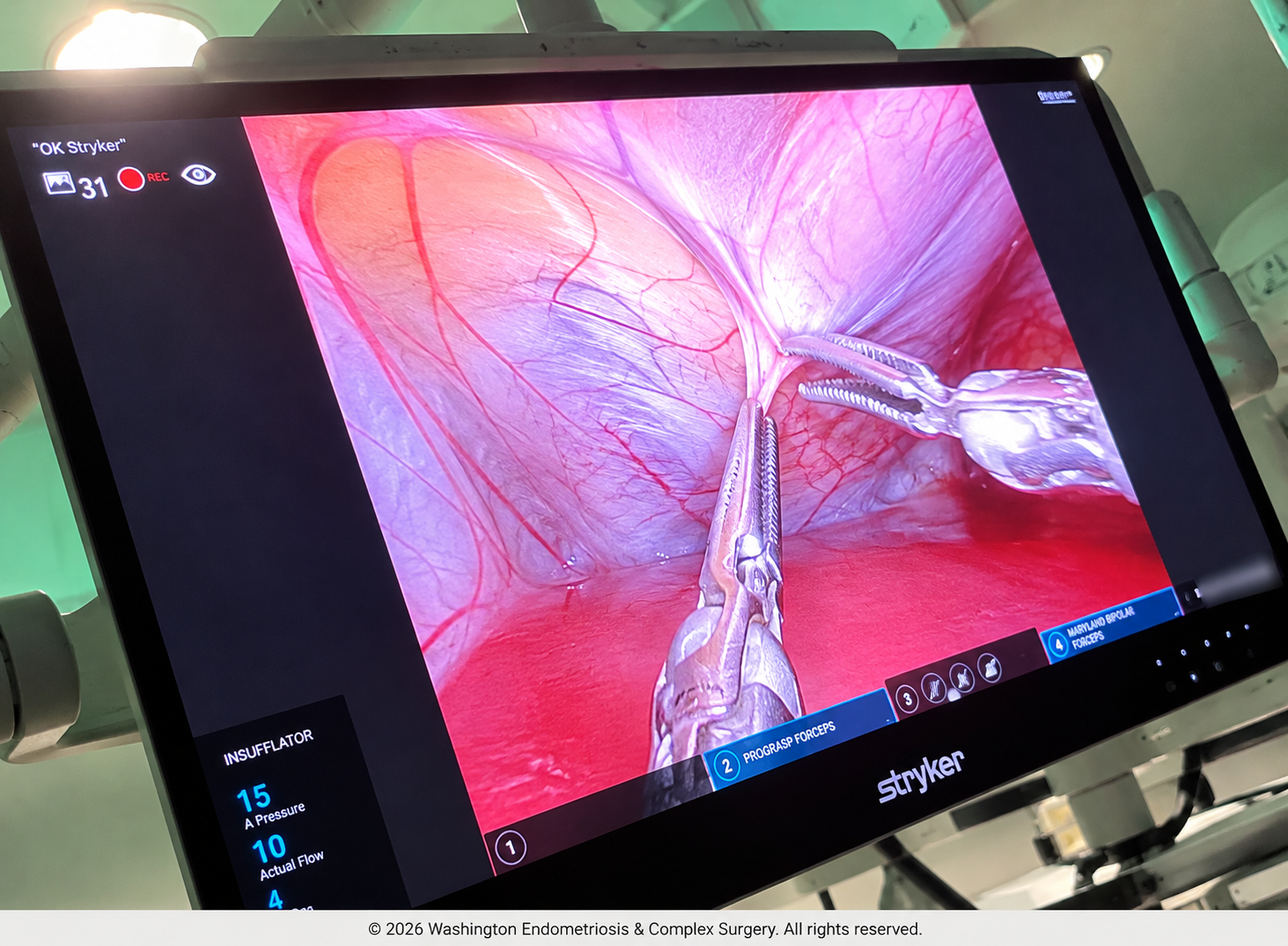
While surgery is commonly accepted as the mainstay of treatment for endometriosis (particularly when medical/pharmaceutical options fail), there are different techniques that surgeons use to treat...
While surgery is commonly accepted as the mainstay of treatment for endometriosis (particularly when medical/pharmaceutical options fail), there are different techniques that surgeons use to treat endometriosis. The results of these surgeries can be quite variable, however, and the most reliably effective option is excision of endometriosis, which is medically now considered the gold standard.
Excision of endometriosis is a specific surgical technique used to completely remove endometriosis from the body, and has the highest success rates for treating endometriosis and its symptoms, as well as providing the most reliable long-lasting relief. Many surgeons use techniques such as ablation or fulguration of endometriosis, methods which apply cautery to the surface of endometriosis lesions without treating any of the underlying disease. This is akin to picking a dandelion without pulling up the roots; the majority of the endometriosis implant remains untouched by the cautery, and therefore continues to be active and produce symptoms.
Patients who undergo ablation surgery may experience temporary relief of symptoms or they may experience no improvement at all. By fully dissecting under the lesions and removing them through excision, the full thickness of the endometriosis deposit is removed and therefore patients experience relief that is greater in both magnitude and duration–and is, in fact, often permanent.
The success of endometriosis excision, however, relies on the degree of completion of endometriosis removal. While some deposits of endometriosis occur in areas that are anatomically "safe" and therefore easy to excise, other implants can take root and even invade in dangerous locations, where expert and specialized surgical skill is required to remove all of the endometriosis without causing damage to important organs, blood vessels, and nerves. This means that while many surgeons can and will perform some degree of excision of endometriosis, the removal is often incomplete and endometriosis is left behind on areas that are deemed "too risky". As with ablation surgery, this can lead some patients to experience temporary relief, but in the long term symptoms will return and persist. Therefore it is essential to find a surgeon who performs complete excision of endometriosis and has the skill to perform your surgery, as well as a multi-specialty team for instances when other surgical specialists may be required to achieve a complete excision.
Excision of endometriosis is the best treatment available at this time, and the studies on patients who undergo complete excision of endometriosis demonstrate a significantly lower rate of recurrence than patients who undergo any other types of surgery for endometriosis. For those who undergo complete excision of endometriosis, the pain relief and the ability to conceive are both significantly greater than for those who undergo ablation of endometriosis. While there is often more work that remains to be done to achieve maximal symptom relief through treatments that come after surgery, complete excision offers the patient the best chance of success and relief on the journey of endometriosis treatment.
Your story is worth telling. The first step is sharing it with us.
.webp)