What is Endometriosis?
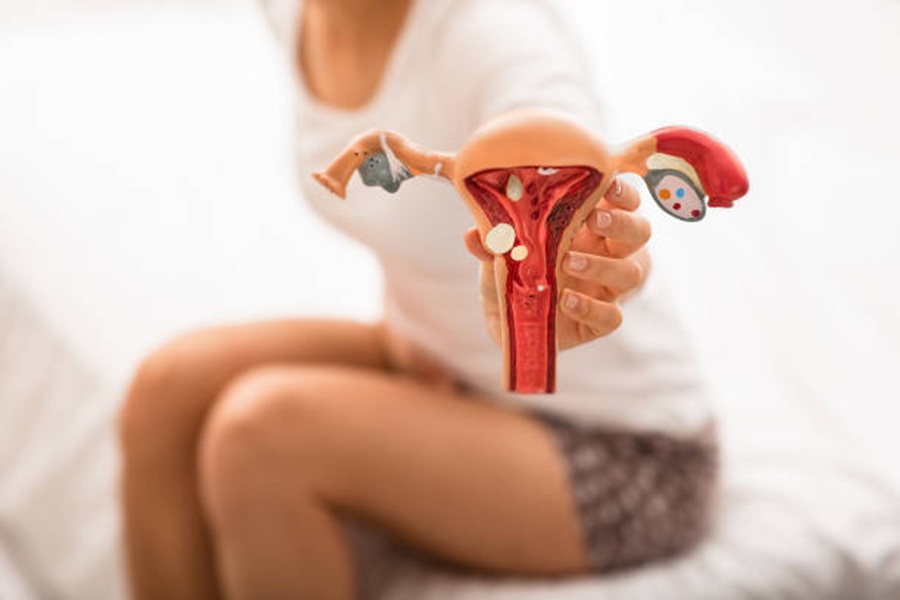
Endometriosis is a chronic condition that impacts one in every ten women. It occurs when deposits of tissue similar to that which lines the uterus (the endometrium) is found in “ectopic” locations -...
By Dr. Victoria Vargas, MD, MS, FACOG · Reviewed by Dr. Melissa McHale, MD, FACOG
Endometriosis is a chronic condition that impacts one in every ten women. It occurs when deposits of tissue similar to that which lines the uterus (the endometrium) is found in “ectopic” locations - places that it isn’t supposed to be. Most commonly these deposits are found in or on other locations around the pelvis, such as the side of the pelvic cavity, the rectum, and the tubes and ovaries. Endometriosis can, however, also travel outside the pelvis, impacting the intestines, the appendix, the diaphragm, and other organs. Endometriosis tissue, like the endometrium itself, is an active and hormonally responsive tissue. This means that it both produces its own hormones and chemical signals and responds to the hormones and chemical signals produced elsewhere in the body. Because of this, endometriosis reacts to the normal signals in your body by producing inflammation, bleeding, even growth in places that–like the endometriosis itself–it shouldn’t be happening. Over time these changes can cause internal fibrosis, scarring, and tissue invasion, all of which can create changes in your anatomy that begin to impact other body systems. They are also often extremely painful, and this pain increasingly extends in duration as the endometriosis spreads or invades.
What Are the Symptoms of Endometriosis?
Endometriosis symptoms are extremely variable, which is why it is so commonly missed or misdiagnosed. The most “classic” symptom of endometriosis is “dysmenorrhea”: very painful periods. While popular culture has normalized period pain, periods should not be painful, especially not in a way that limits activities, prevents attending work or school, or otherwise interferes with someone’s life. However, pelvic pain outside of periods can also be a symptom of endometriosis; both chronic pelvic pain and pain with ovulation are common symptoms. Pain with endometriosis can present in a variety of different ways, including both localized pain (“it hurts right here”) or a generalized pain (“my whole pelvis hurts”). Sometimes the location of pain can be outside of the pelvis entirely: pelvic endometriosis can cause pain that shoots down the backs of your legs, pain in the low back, and even pain in the chest or shoulder which is most commonly associated with endometriosis of the diaphragm.
Endometriosis can also cause pain during intercourse. This can be caused by pressure on the endometriosis deposits themselves during intimacy, as well as pain from pelvic floor dysfunction caused by the endometriosis lesions. The pelvic floor can respond to the pain and inflammation caused by endometriosis by creating increasing muscle tension and dysfunction, which can trap and compress the nerves of the pelvis. This causes pain with intercourse as well as pelvic, leg, and back pain, and can also contribute to problems with bladder and bowel function.
Beyond pain, endometriosis can cause a variety of other symptoms. For example, endometriosis can cause significant gastrointestinal symptoms including pain with digestion, alternating constipation and diarrhea, chronic constipation, cyclic diarrhea, pain with bowel movements, and rectal bleeding. For more information about the impact of endometriosis on the intestines and gut health, see our blog post about endometriosis of the gut.
Endometriosis can also impact your bladder. Many patients with endometriosis experience urinary frequency as well as urgency. Often endometriosis patients find that they need to use the bathroom multiple times at night. Additionally, endometriosis patients often experience bladder spasms, which manifests as a feeling of needing to empty your bladder immediately after going, or frequent urinary tract infection (UTI) symptoms when an infection is not present.
Endometriosis also impacts fertility. Some patients with endometriosis will experience few or even no symptoms and little to no pain, but discover when they are ready to start a family that they are not able to become pregnant naturally. For more information about endometriosis and fertility, check out our other blog posts about the impact of endometriosis on fertility.
Does Endometriosis Run in Families?
Yes, endometriosis does run in families. Like many conditions, we know that part of what determines if you have endometriosis is genetics–if your mother or sister has endometriosis, you are more likely to have endometriosis as well. However, this is not a 1:1 pattern; not all patients with endometriosis have a family member with endometriosis. We know that there are always other factors unique to each individual which also impact whether they have or develop endometriosis.
What Are the Best Available Treatments for Endometriosis?
There is no “cure” for endometriosis at this time, but there are many treatment options available.
The gold standard for treatment is complete excision of endometriosis - where a surgical team using a minimally invasive approach performs surgery to completely remove endometriosis from the body. For more information about endometriosis excision surgery, check out our page about our services, as well as our blog post about excision of endometriosis.
Many patients find that different methods of hormonal suppression or modulation can be helpful at decreasing their symptoms. These methods include things like traditional oral contraceptive pills, progesterone only pills, IUDs, or implants. These options offer symptomatic relief for some patients, but they do not remove or decrease the deposits of endometriosis in any way. Because of this, some patients find that these options do not adequately control their symptoms. For some patients these symptomatic treatments are sufficient, for others, surgical treatment is the optimal approach, and for many, a combination approach is best. Every patient’s case is different, and we recommend a personalized approach.
Your story is worth telling. The first step is sharing it with us.
.webp)