What If I Am Travelling for Care for Endometriosis, Including for Surgery?
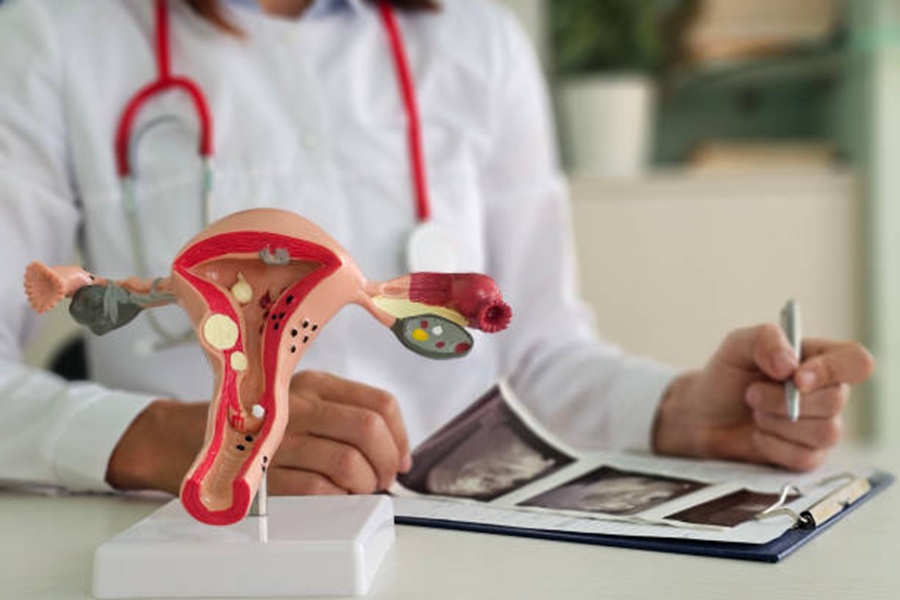
Accessing quality endometriosis care can be an extremely daunting task, especially for patients who do not have a skilled endometriosis surgeon in their area.
By Dr. Victoria Vargas, MD, MS, FACOG · Reviewed by Dr. Vincent J. Obias, MD, MS, FASCRS
Travelling for Endometriosis Care?
Accessing quality endometriosis care can be an extremely daunting task, especially for patients who do not have a skilled endometriosis surgeon in their area. For these patients, there are a number of important factors when you consider travelling for your care.
How much of your preoperative workup can be performed remotely?
For many patients travelling for endometriosis care, making multiple trips to see a surgeon is not logistically or financially viable. For these patients, connecting with a provider via telemedicine first is an essential step. A full length remote visit allows you to get to know a provider, which can help you evaluate whether they will be the right fit for your care. In most cases, this provider can recommend (and sometimes order) an MRI, which you can have performed where you live. You can then mail the MRI (or provide a remote login) for your endometriosis specialist, who can then access your images and counsel you about how extensive they expect your surgery to be based on your imaging and history. This step is necessary because it allows your surgeon to plan for availability of a multi-specialty team if needed, and to make appropriate arrangements for your surgery. Be sure that your surgeon has access to a multi-specialty team even if you aren’t expected to need one. If you are travelling for care, needing to travel again for a repeat surgery can be devastating!
A remote session also allows you and your surgeon to discuss any medical problems that you may have before you travel. This allows for you to obtain any required medical clearance for surgery (such as your primary care doctor or other specialists you may have) before you travel for surgery, and allows your surgeon to be more prepared to address any issues specific to your health.
What does the visit for the surgery itself involve?
Planning to travel for care can be overwhelming, so ask your doctor’s office if there are specific areas near the surgery site that they recommend that you stay, or even certain hotels they recommend. They may even have a corporate discount rate arrangement with local hotels–we do!
Once you’ve made arrangements to travel for surgery, your surgeon’s office will coordinate for you to have a visit with your surgeon one to two days before your planned surgery. This allows them to perform any in-person evaluation that they recommend–for example, in our practice almost all of our patients undergo a dynamic transvaginal ultrasound with our surgeons and in person MRI review in order to obtain the best preoperative assessment of the extent of endometriosis. This pre-operative visit also allows us a process called informed consent for surgery, which involves discussing the risks, benefits, and alternatives to surgery in even greater detail. You will also likely be required to complete preoperative blood tests at the hospital before your surgery date.
While the setting may be different, the process at the hospital itself on the day of surgery is likely the same, whether you travelled across the street or across the country to get there.
How does recovery differ for patients travelling for care?
For patients who travel for surgery, the recommendation is that they remain local for a period of time after surgery so that if any complications or issues arise, their primary surgical team is there and ready to take care of them. The complexity of surgery determines how long we recommend patients stay in the area after surgery; it can be as little as three days for more straightforward surgeries, and as long as one or two weeks for more complex cases. We always recommend flexible airline tickets for those who are flying, in order to account for any potential issues that might result in a longer stay. Your surgeon will be able to provide you with further clarity on how long you should plan to stay after surgery.
What should I keep in mind on my trip home?
Travelling a long way after surgery can be uncomfortable, but things like abdominal binders and firm pillows to support your abdomen in the car or on the plane can be very helpful. No matter how you’re traveling but especially if you are flying, plan your trip in a way that allows you to follow the postop instructions provided to you before your surgery visit. Have someone with you who can put your bag in the overhead bin or in the trunk of a car, and don’t book a tight connection that will force you to run through the airport! Additionally, travel is a risk factor for blood clots in your legs or lungs–called a deep vein thrombosis (DVT) or a pulmonary embolism (PE)after surgery, so make sure that you get up and walk in the aisle during your flight or stop your car and go for a walk at least every two hours as you travel home.
If you have more questions about travelling to see us at WECS for care, please don’t hesitate to reach out!
Your story is worth telling. The first step is sharing it with us.
.webp)