How Does Endometriosis Affect My Bowels?
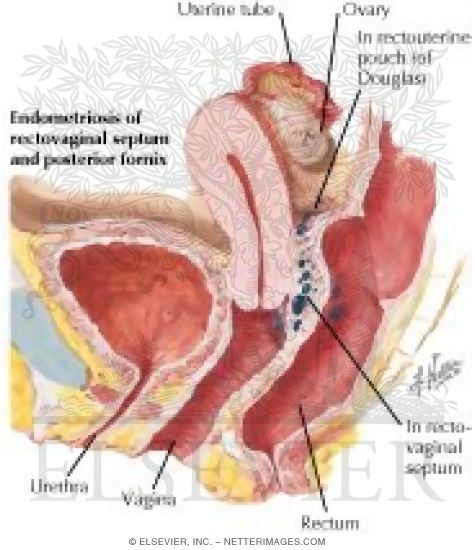
Endometriosis can have a profound impact on your gut’s ability to function, and that impact can manifest in a variety of different symptoms.
By Dr. Vincent J. Obias, MD, MS, FASCRS · Reviewed by Dr. Victoria Vargas, MD, MS, FACOG
Endometriosis can have a profound impact on your gut’s ability to function, and that impact can manifest in a variety of different symptoms. Many patients whose gut issues stem from endometriosis don’t recognize that it is the source of the problem. This is why so many endometriosis patients have undergone an extensive workup with a gastroenterologist; they have often undergone multiple procedures such as colonoscopies and endoscopies, are frequently diagnosed with irritable bowel syndrome (IBS), and often utilize anti-inflammatory or very restrictive diets to mitigate the gastrointestinal symptoms. However, until they address the endometriosis, these treatments are often insufficient at completely resolving the symptoms. While many dietary and lifestyle changes can be helpful in managing the intestinal symptoms of endometriosis, patients can seek another option to minimize the impact of their gastrointestinal symptoms on their life by addressing the true source of those symptoms.
How can endometriosis impact the intestines?
The first way that endometriosis impacts the intestines is through generalized inflammation. Even when endometriosis is not directly invading the muscle wall of the intestines, close proximity to inflammatory endometriosis lesions can lead to a variety of different gut-related symptoms. This can include IBS-type symptoms such as constipation, diarrhea or an alternating combination of the two; severe bloating; food sensitivity; pain with bowel movements or with digestion; nausea and vomiting; and generalized abdominal pain. For a patient with some combination of these symptoms, lifestyle changes and medical management often does help somewhat. Improvement in these symptoms is also seen with surgical excision of endometriosis. When the bowel symptoms are caused by inflammation from endometriosis on nearby organs–as opposed to direct invasion of the muscular wall of the intestines–then the surgery to remove endometriosis generally does not require surgery on the intestines themselves, which means both the surgical risk is lowered and the recovery is generally easier.
Endometriosis can, however, impact the intestines through direct invasion. This invasive type of endometriosis can penetrate into the walls of the intestines, requiring either a partial or full thickness resection surgery on a portion of the muscular wall of the intestine. The location of endometriosis on the intestine varies: it can happen anywhere from the stomach to the rectum, although the rectum is the most common location. Symptoms of endometriosis on the rectum can vary, but most commonly patients struggle with bowel movements, wherein they experience severe pain, extreme urgency, significant straining, and/or rectal bleeding. Endometriosis can also invade other parts of the large intestine, small intestine, and the appendix. The symptoms of these types of invasion are less localized, making it harder to identify exactly where the pain is coming from, as opposed to rectal endometriosis which often produces distinct localized symptoms. To complicate matters further, they show up less often on imaging. This is why a thorough survey and a prepared team are essential in every endometriosis-related surgery, because although this type of endometriosis can be hard to identify preoperatively, the positive impact of removal is profound.
Another way that endometriosis can impact the intestines is through adhesions, because endometriosis creates abnormal scar connections within the body. If these adhesions are extensive enough they can impair the intestine’s ability to move normally during digestion, which can lead to constipation, pain, bloating, and even bowel obstructions. A dynamic ultrasound performed by a skilled provider is the best diagnostic tool for evaluating whether adhesions may be the source of intestinal issues. The process to correct this is made up of two essential steps: the first is to remove the adhesions and “restore normal anatomy,” putting things back where they are supposed to go, and the second is to remove the endometriosis in order to prevent future adhesions that could form if the endometriosis and inflammation are left untreated.
The last of the frequent impacts on the intestines from endometriosis is the impact on gut health. Often the inflammation and adhesions can impact the way that the intestines move, changing motility and digestion in ways that can lead to other issues. A classic example of this is the development of Small Intestine Bacterial Overgrowth, or SIBO. When the movement and emptying time of the intestines are altered by endometriosis this can lead to overgrowth of bacteria inside of the gut, producing symptoms like bloating, nausea and vomiting, diarrhea, and pain. Sometimes these gut health factors can coexist with the direct impacts of endometriosis on the intestines, especially when symptoms persist after surgery, and in these cases the addition of a gastroenterologist to your team is helpful.
How are the different effects that endometriosis can have on the bowels managed?
While endometriosis is the potential source of each of these problems, treatment of these different symptoms from different parts of the gastrointestinal system requires an individualized approach. When addressing endometriosis that is located on the intestines, coordination with a multi-specialty surgical team is required to ensure that all endometriosis is removed safely and completely. For the direct effects of endometriosis on gastrointestinal symptoms, the complete excision of endometriosis and the lysis of any adhesions that resulted from that endometriosis can be extremely helpful. However, some patients may continue to experience ongoing issues; in these cases evaluation and testing for other conditions, as well as guidance from a nutritionist, can be very helpful. Because endometriosis is so complex, and because it can impact various internal systems in so many ways leading to a myriad of symptoms, an individualized approach with an expert team is essential.
Your story is worth telling. The first step is sharing it with us.
.webp)